


Based in Athens and originally from Sydney, photographer and visual artist Konstantinos Korsovitis has spent decades exploring identity, storytelling and human vulnerability through photography. Working across documentary portraiture, analogue processes, video installations and conceptual image-making, his practice moves between reality and fiction, intimacy and performance, memory and reinvention. His latest exhibition, The Scent of Salt, presented at o.art.ath Gallery in Athens, marks one of his most personal and emotionally charged works to date.
Inspired by the writings and spirit of French writer Jean Genet, The Scent of Salt unfolds like the visual diary of a film that was never made. At the centre of the project is the fictional figure of an ageing sailor haunted by the sea, by memory and by his own fading masculinity. Through black-and-white analogue photography, soundscapes and video installation, Korsovitis constructs a poetic meditation on longing, mortality, desire and emotional fragility.
The project originated from an old short story the artist had written during his university years about a retired sailor obsessed with the ocean. At the time, Korsovitis felt too young to fully understand the emotional depth of the narrative. Returning to the idea years later, he approached it through photography rather than cinema, using the camera as a way to navigate memory and self-reflection. What emerged was not simply a fictional narrative, but a deeply personal exploration of ageing, identity and transformation.
Jean Genet’s influence runs strongly throughout the work. Korsovitis has spoken about his fascination with Genet’s life and writings — the way the French author transformed marginalised figures, criminals, sailors and outsiders into sacred, poetic presences. Much like Genet, Korsovitis is drawn to the fragile beauty of those who exist outside conventional ideas of masculinity and social order. The sailor in The Scent of Salt becomes both character and mirror: a vessel through which the artist projects fears, desires and questions about vulnerability, loneliness and the passage of time.
One of the most striking aspects of the exhibition is its emotional ambiguity. The images feel intensely intimate yet impossible to fully place within reality. Korsovitis deliberately works in the space between confession and fiction. Although rooted in personal experience, the photographs never function as straightforward autobiography. Instead, memory becomes fluid and unstable, softened by fantasy and imagination. The artist treats photography not as documentation, but as emotional translation — a way of turning lived experience into myth.
The visual language of The Scent of Salt reflects this atmosphere of uncertainty and longing. Shot primarily on analogue film using alternative photographic processes and Lomo techniques, the images possess a grainy, tactile quality that digital photography often lacks. Bodies appear fragmented, blurred and weathered, as though eroded by time and desire. Shadows dominate many of the compositions, creating a cinematic tension reminiscent of classic film noir and European art cinema. There is tenderness in the images, but also violence, silence and melancholy.

Korsovitis has described his growing exhaustion with digital technology and his desire to reconnect with the origins of his love for photography. Returning to analogue methods became both an artistic and emotional decision. The use of black-and-white film, manual exposure and imperfect processes allowed him to rediscover vulnerability within image-making itself. Mistakes, textures and imperfections became central to the work’s emotional honesty.
The structure of the exhibition follows three stages in the life of a man — youth, maturity and old age. These stages blur together, combining fragments of fiction with traces of the artist’s own life. In revisiting old self-portraits and memories, Korsovitis inserts himself into the narrative, allowing the sailor’s body to become a reflection of his own evolving identity. The result is a meditation not only on ageing, but on the instability of selfhood itself.
Cinema plays an essential role in shaping Korsovitis’ visual language. As a child, he stayed awake late into the night watching westerns, black-and-white dramas and film noir movies with his mother. These early cinematic experiences continue to influence the atmosphere of his photography. His images feel suspended between still photography and moving image — as though they belong to scenes from an unfinished film. The cinematic quality does not emerge through spectacle, but through mood, silence, framing and emotional tension.
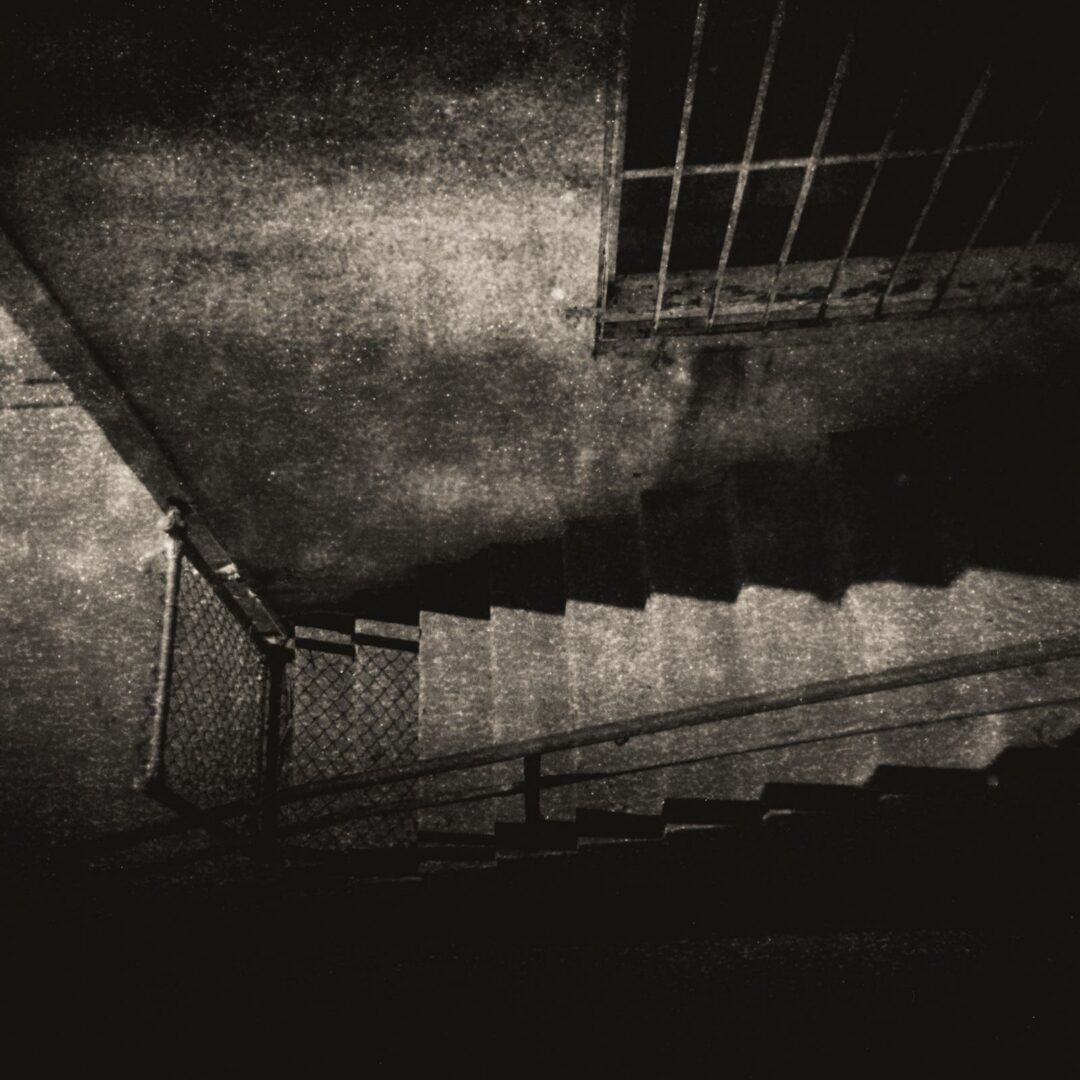
Throughout the exhibition, the sea functions as both literal and symbolic space. It represents longing, danger, sensuality and emotional restlessness. For Korsovitis, the ocean mirrors the body itself: constantly changing, vulnerable and impossible to fully control. The sea carries memories, desire and loss, becoming a metaphor for the passions that shape and eventually abandon us.
The Scent of Salt is the first chapter of a larger trilogy of exhibitions that will continue in Bangkok and Sydney. Each version will evolve emotionally and psychologically, like tides shifting between intimacy and disappearance. Rather than presenting a fixed narrative, Korsovitis allows the story to remain unfinished and open-ended — an evolving negotiation with memory, identity and transformation.
Ultimately, The Scent of Salt is not simply a photography exhibition. It is an introspective journey into fragility, masculinity, desire and the emotional landscapes we carry within us. Through deeply cinematic imagery and poetic visual storytelling, Konstantinos Korsovitis invites viewers into a world where memory dissolves into fiction, and where the body itself becomes a map of time, longing and human vulnerability.